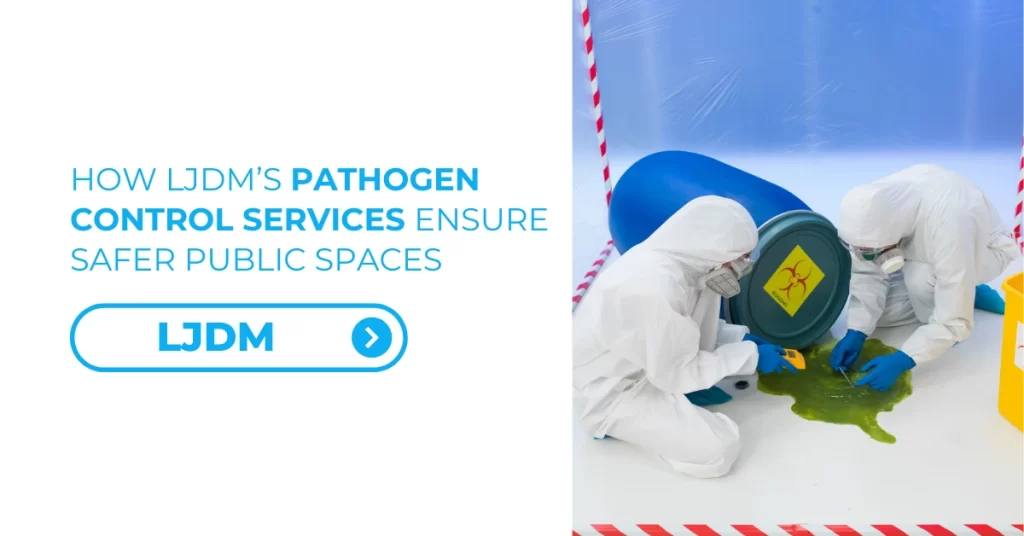
Public spaces in Alberta, including offices, schools, healthcare facilities, and commercial establishments, require stringent pathogen control measures to ensure health and safety. Pathogens such as bacteria, viruses, and fungi can spread rapidly in high-traffic areas, increasing the risk of infections and disease outbreaks. Effective pathogen control minimizes these risks, protects public health, and ensures compliance with local health regulations.
Understanding Pathogens and Their Risks
Pathogens are microorganisms that can cause disease. They can be classified into several categories:
- Bacteria – Examples include Staphylococcus aureus and Escherichia coli, which can cause skin infections and foodborne illnesses.
- Viruses – Influenza, norovirus, and COVID-19 are among the most common viral threats in public spaces.
- Fungi – Molds and yeasts can trigger respiratory issues and allergic reactions.
- Protozoa and Parasites – These can cause severe gastrointestinal infections.
Public spaces are breeding grounds for these microorganisms due to high human interaction, shared surfaces, and inadequate sanitation. Pathogens spread through direct contact, airborne transmission, and contaminated surfaces, making comprehensive cleaning and disinfecting essential.
Key Pathogen Control Strategies for Public Spaces
- Regular and Thorough Cleaning
Routine cleaning with disinfectants eliminates pathogens from high-touch surfaces such as doorknobs, elevator buttons, railings, desks, and restrooms. High-grade disinfectants approved by Health Canada should be used to effectively neutralize germs.
- Air Purification and Ventilation
Improving indoor air quality helps reduce airborne pathogens. Strategies include:
- HEPA Filtration Systems – These remove 99.97% of airborne particles, including bacteria and viruses.
- UV-C Light Sanitization – UV-C light technology can inactivate microorganisms in HVAC systems.
- Increased Ventilation – Allowing fresh air circulation reduces the concentration of airborne pathogens.
- Use of Antimicrobial Coatings
Applying long-lasting antimicrobial coatings to high-contact surfaces prevents microbial growth, providing an additional layer of protection in between routine cleanings.
- Hand Hygiene and Sanitization Stations
Public spaces should be equipped with hand sanitizer dispensers containing at least 60% alcohol. Encouraging hand hygiene through signage and easy access to soap and water significantly reduces the spread of pathogens.
- Electrostatic Disinfection Technology
Electrostatic spraying is a cutting-edge method for applying disinfectants more effectively. This technique ensures even coverage of surfaces, including hard-to-reach areas, maximizing disinfection efficiency.
- Pathogen Testing and Monitoring
Regular microbial testing of surfaces and air quality can help determine pathogen presence and the effectiveness of cleaning protocols. ATP (Adenosine Triphosphate) monitoring is commonly used to measure cleanliness levels.
Compliance with Alberta’s Health and Safety Regulations
Alberta has strict health and safety guidelines to ensure public spaces maintain high sanitation standards. Facility managers should comply with:
- Alberta Occupational Health and Safety (OHS) Standards – Enforcing proper sanitation and hygiene in workplaces.
- Public Health Act Regulations – Guidelines for food establishments, healthcare facilities, and other public venues.
- Workplace Hazardous Materials Information System (WHMIS) – Safe handling of disinfectants and cleaning agents.
Failure to comply with these regulations can lead to fines, closures, and health risks for the public.
How LJDM Can Help with Pathogen Control
LJDM specializes in comprehensive pathogen control solutions tailored for Alberta’s public spaces. Our services include:
- Deep Cleaning and Disinfection Services – Using hospital-grade disinfectants to eliminate harmful microorganisms.
- Air Quality Management – Implementing HEPA filtration and UV-C technology for superior indoor air purification.
- Surface Protection Solutions – Application of antimicrobial coatings for long-lasting defense against pathogens.
- Custom Pathogen Control Plans – Creating site-specific sanitation protocols for businesses, schools, and healthcare facilities.
- Emergency Decontamination Services – Rapid response for outbreaks and contamination incidents.
Pathogen control in public spaces is critical for public health, regulatory compliance, and business reputation. By implementing effective cleaning protocols, air purification strategies, and legal compliance measures, Alberta businesses can create safer environments for employees and visitors. LJDM offers industry-leading pathogen control solutions designed to keep public spaces clean and safe. For personalized assistance with cleaning services, feel free to contact us at office@ljdm.ca or 780-782-0502.